
Why an Unfunded Living Trust Might Fail Your Family
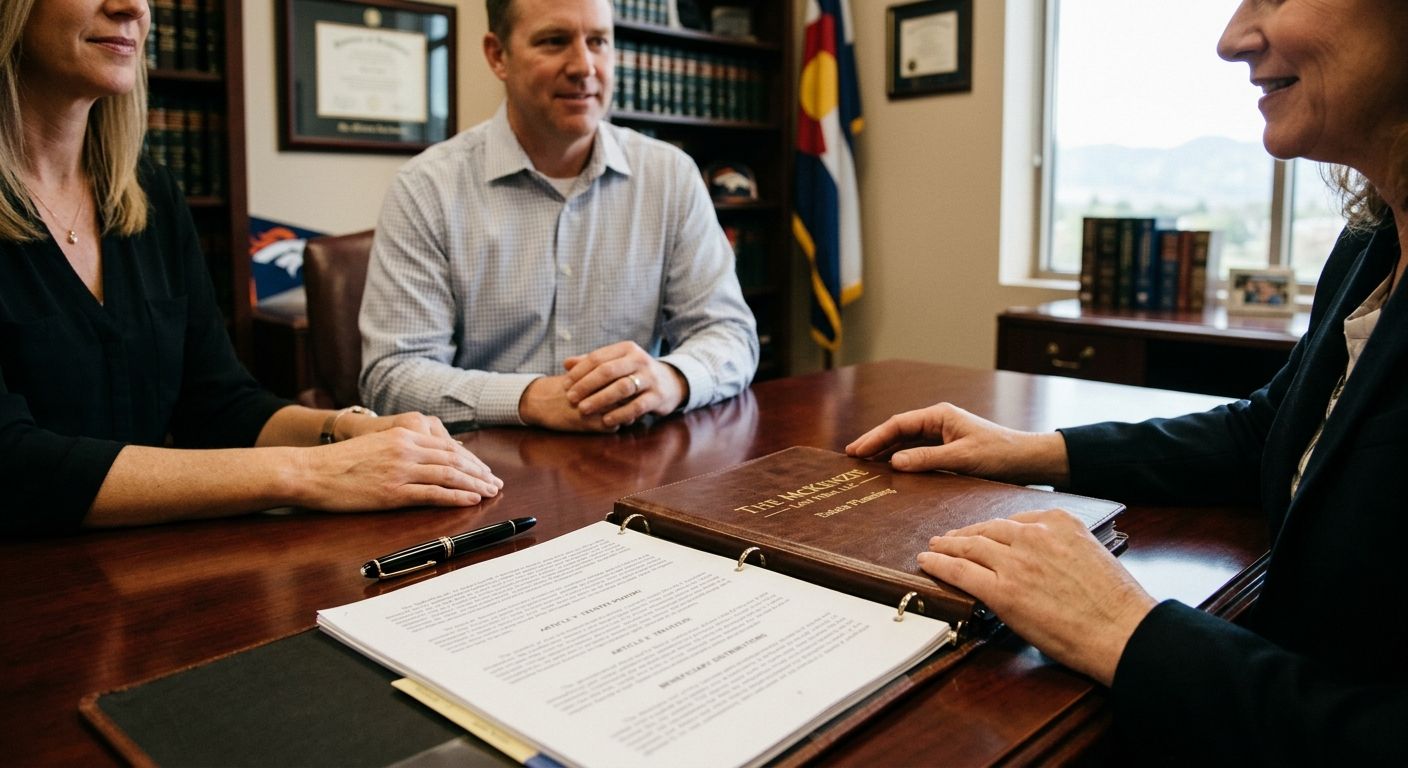
You worked hard, met with a lawyer, and signed your estate planning papers. Now, your beautiful new revocable living trust is sitting in a binder on your bookshelf. You feel accomplished, right? Unfortunately, if that is where the process stopped, your estate plan is not actually finished.
The biggest mistake people make is creating a living trust but never funding it. Funding a trust means transferring your assets into the trust's name. If you do not change the ownership of your property, your trust cannot manage it.
The Cost of Leaving a Trust Empty
Imagine passing away and leaving your family behind. Because your house is still titled in your individual name, your trust cannot touch it. If your bank accounts do not have the correct beneficiary designations and your investment accounts were never retitled, your assets face significant risks.
Instead of an easy transition, everything still has to go through probate court. Probate is the public, slow, and expensive court process used to settle an estate. Leaving your trust empty means your family must deal with the court system, making it feel as if your trust never existed.
Keep Your Family Matters Private
Your financial life should stay between you and your loved ones. What you built, who you chose to leave it to, and what family decisions you made do not belong in public court records. A fully funded trust keeps your assets safe and private. It allows your family to bypass the courtroom entirely, giving them more time to focus on healing.
Living Trust vs. Will in Colorado → Estate Planning Basics
Whether you need to finish funding an existing trust or want to build a brand new plan before your next family trip to the mountains, we are here to help. At The McKenzie Law Firm, LLC, we help families protect what matters most. Contact us today to schedule an estate planning consultation in the Denver metro area. You can reach our Centennial office at 720-821-7604 or visit our online contact page to get started.
The McKenzie Law Firm, LLC practices law exclusively in Colorado. This post is for general informational purposes only and does not constitute legal advice. Please consult a qualified attorney regarding your specific situation.