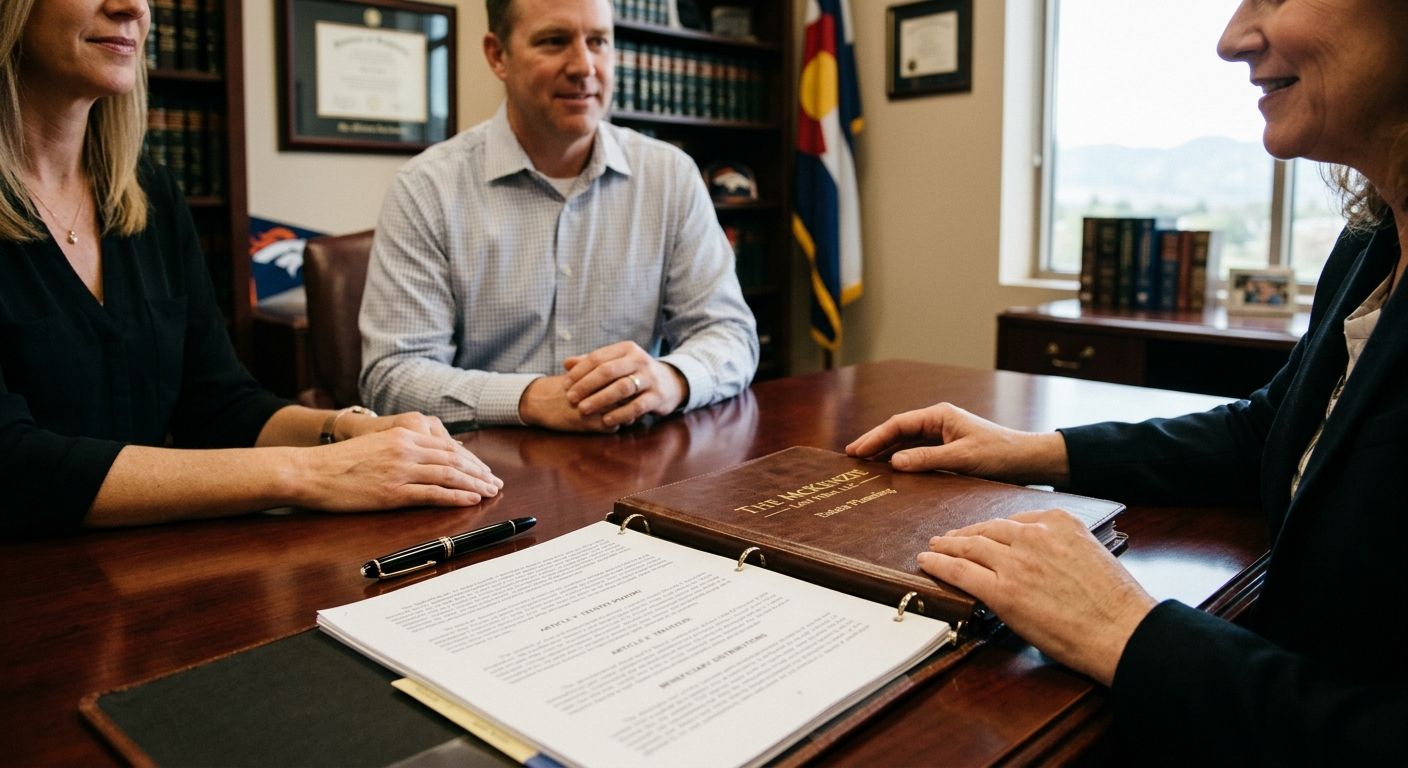

How Often Should You Update Your Estate Plan?
You worked hard to create a plan for your family's future. But life never stands still. Many people believe that once they sign their documents, they are done for good. The truth is that your life, your family, and the law will always keep changing. So, how often should you update your estate plan to ensure it continues to protect what matters most?
As a general rule, you should review your plan every 3 to 5 years. Even if your daily routine feels the same, small details can drift over time. For example, a person you chose to manage your affairs might move across the country. As your children grow up, old choices about guardians no longer apply. Regular check-ins catch these quiet shifts before they turn into major problems.
Major Changes That Require an Immediate Update
Beyond regular check-ins, certain life milestones mean you need to refresh your documents right away. Getting married or going through a divorce are obvious triggers. The birth or adoption of a child also changes everything. You want to ensure your growing family is fully protected in the event of your death.
Major financial shifts also call for a quick review. This includes buying a new home, starting a local business, or receiving a substantial inheritance. You also need to review your documents if tax laws change or your relationship with someone you named to handle your affairs changes. Think of it like taking care of your home or planning a major trip. Just as you would check your gear before hiking a new trail in the mountains, you need to check your legal planning before life takes an unexpected turn.
Keeping Your Legacy on Track
An estate plan is not a one-time transaction. It is an ongoing relationship with your documents. By keeping it current, you protect your assets and give your family clear guidance. If your documents are more than five years old, it is likely time for a refresh to reflect your current life and goals.
Ready to make sure your plan still works for you? We help families throughout the Denver metro area secure their futures. Schedule a consultation with The McKenzie Law Firm, LLC today. Give us a call at 720-821-7604 to get started. Our office is located in Centennial, Colorado, and we are here to guide you every step of the way.
The McKenzie Law Firm, LLC practices law exclusively in Colorado. This post is for general informational purposes only and does not constitute legal advice. Please consult a qualified attorney regarding your specific situation.