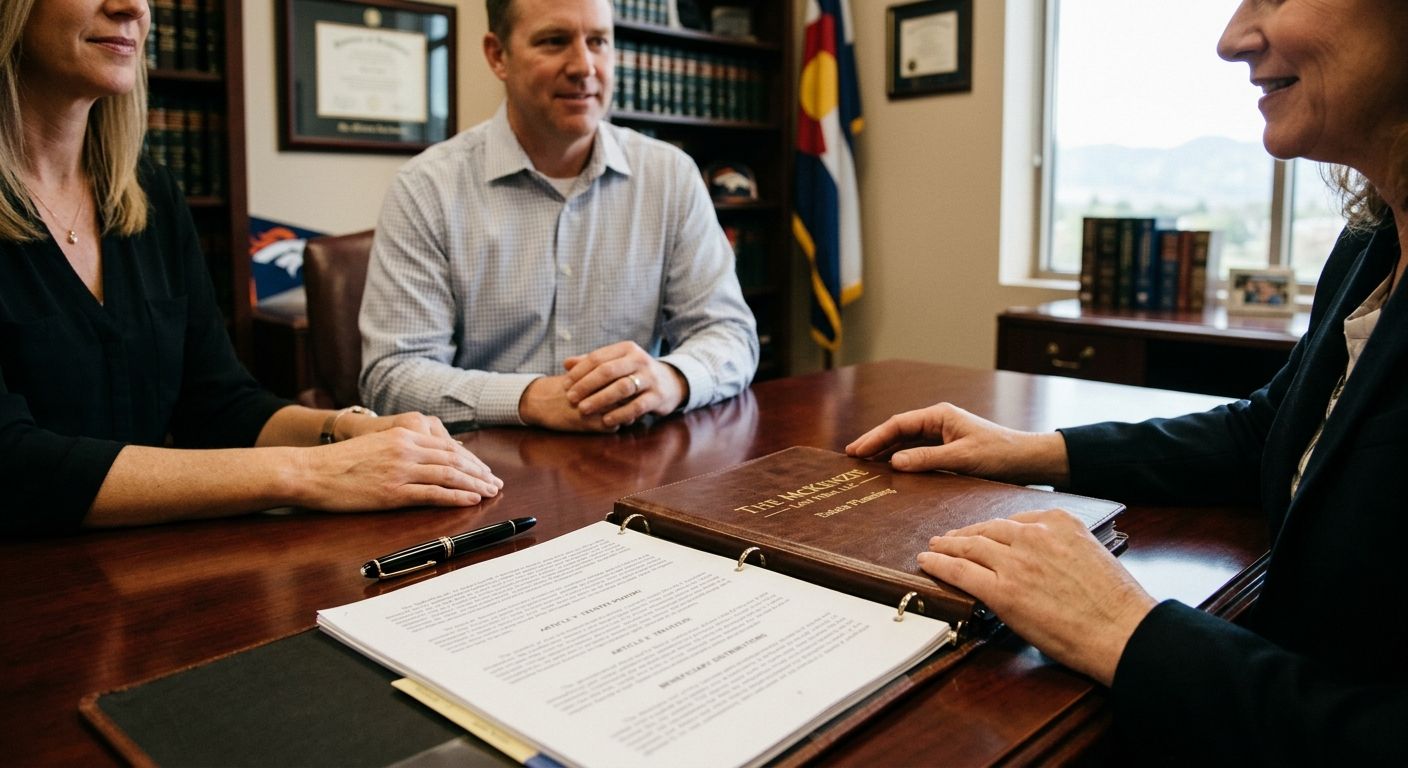

How to Set Up a Trust for Minor Children in Colorado
As parents, we work hard to build a secure future for our families. Whether you are spending the weekend hiking in the Rocky Mountains or preparing for your teenager’s transition to college, making sure your kids are taken care of if something happens to you is essential. If you have children under 18, learning how to set up a trust for minor children is one of the most effective ways to protect your life insurance payouts and family assets.
Two Ways to Create a Trust for Your Kids
When establishing a trust for minor children, parents generally have two legal pathways. The first option is a testamentary trust. This is a trust written directly inside your will that only comes into existence after you pass away. Because it is created by will, it must go through probate court first. This court process often causes unnecessary delays in your children receiving financial support.
Why a Revocable Living Trust is Often the Smarter Choice
The second option is a revocable living trust—a legal arrangement created during your lifetime to hold and manage your assets. Instead of naming minor children directly as life insurance beneficiaries, you name the trust. When you pass away, the insurance benefit pays directly into the trust without going through probate or requiring a court-appointed conservatorship. Your chosen trustee—the trusted person you select to manage the money—can immediately use the funds for your kids according to the exact rules and timeline you created.
Secure Your Family’s Financial Future Today
Protecting your family's financial future should give you confidence and peace of mind. If you are ready to explore options for a trust for minor children, our experienced team is here to help you craft a plan tailored to your family's needs. Schedule a consultation with The McKenzie Law Firm, LLC today or call us at 720-821-7604. Located in Centennial, Colorado, we proudly serve families throughout the Denver metro area.
The McKenzie Law Firm, LLC practices law exclusively in Colorado. This post is for general informational purposes only and does not constitute legal advice. Please consult a qualified attorney regarding your specific situation.