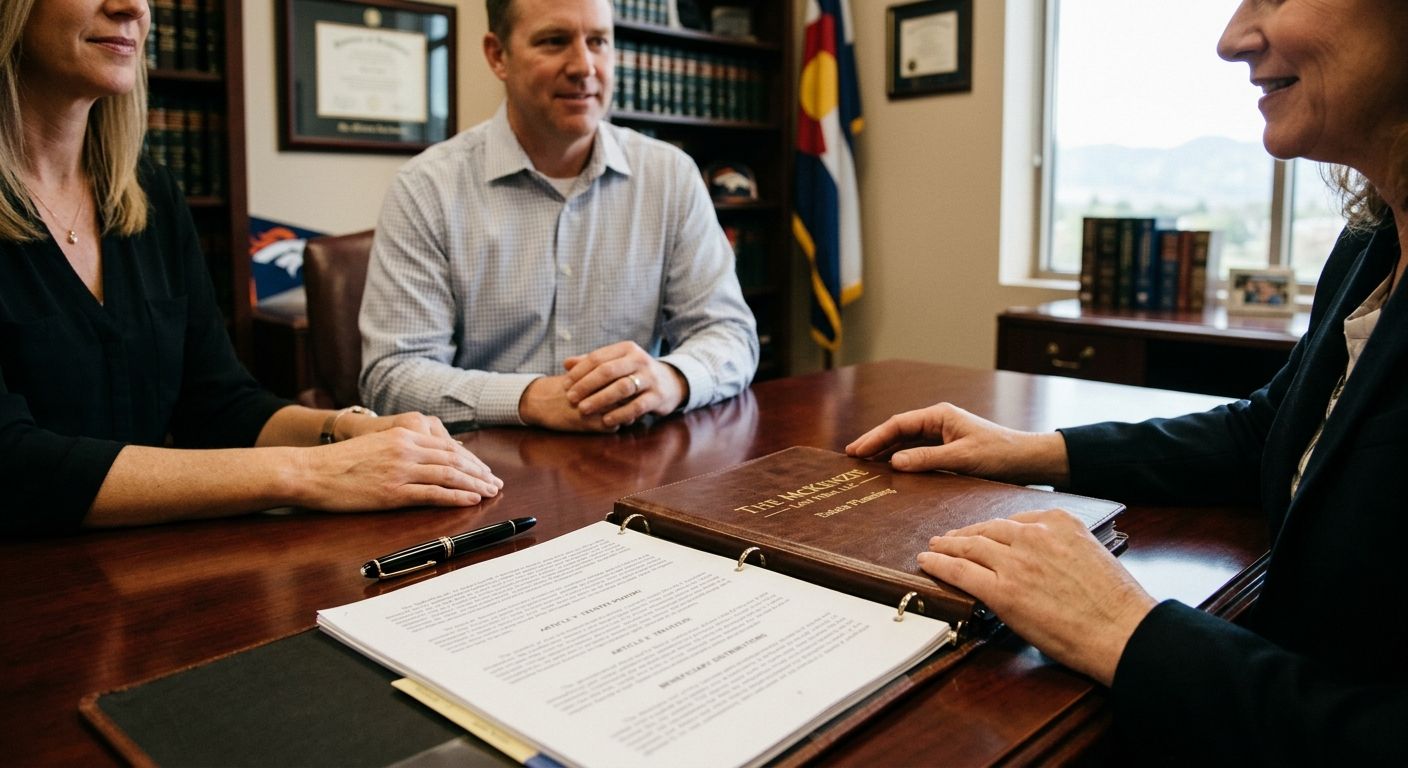

Probate Is Bigger Than You Think: Why Being a Personal Representative Is a Major Job
When Mark’s father passed away, Mark thought settling the estate would be a straightforward weekend project. His dad left a clear will naming Mark as the personal representative, also known as an executor. Mark figured he would gather some bank accounts, hand out a few items to his siblings, and close the book. After all, he was a college-educated professional who handled big budgets at work every single day.
Then, the reality of the Colorado court system set in. Within three weeks, Mark was buried under a mountain of specialized paperwork, facing strict court deadlines, and receiving calls from aggressive creditors. His siblings started asking tense questions about their inheritance. Suddenly, a simple task turned into a stressful, high-stakes second job that lasted over a year.
Here is why probate is much bigger than you think, why you are legally exposed, and how working with a guide can save you from costly mistakes.
You Are Stepping Into a Fiduciary Role
When you take on the responsibility of managing an estate, you are not just helping out your family. Whether you are the personal representative named in a will or a trustee handling a trust, the law labels you as a fiduciary. This single word changes everything about your legal responsibilities.
Being a fiduciary means you are handling other people's money, not your own. The law expects you to put the interests of the beneficiaries ahead of your own personal goals. If you choose to invest estate cash into a risky venture, or if you sell property below market value to a friend, you can be held personally liable. You have to treat every dollar with the utmost care and transparency.
The Heavy Burden of Administrative Deadlines
Many professionals in the Denver metro area assume that probate is just about reading a will and handing out property. In reality, the day-to-day administrative work is extensive. You must inventory every single asset, from home equity to digital accounts.
You must also formally notify all creditors, publish public notices, pay final state and federal taxes, and provide detailed accounting reports to the beneficiaries. Missing a single deadline can delay the distribution of assets for months. It can also cause the court to remove you from your position entirely.
The Financial Risks of Making a Mistake
If you make a mistake during estate administration, the consequences can be severe. For example, if you pay out inheritances to family members before satisfying valid creditor claims or tax debts, you might have to pay those debts out of your own pocket.
The emotional toll is often worse than the financial risk. Family dynamics can shift quickly when money is involved. If beneficiaries feel you are hiding information or moving too slowly, minor disagreements can escalate into full-blown estate litigation. Trying to fix a legal error after the fact is always more expensive than preventing it in the first place.
Why You Shouldn't Act as Your Own Probate Lawyer
It is common to look for ways to save money after a loved one passes away. You might think you can navigate the local Colorado courthouse by downloading standard forms online. But those forms do not come with legal advice, and they do not protect you if things go wrong.
Just like you wouldn’t try to perform surgery on yourself, you are not qualified to be your own probate lawyer. An experienced probate attorney knows the local court rules, understands how to handle complex tax issues, and acts as a neutral third party to keep family emotions calm. Spending a little money on professional guidance protects your personal bank account and your peace of mind.
How Professional Guidance Saves You Time and Money
Working with an estate professional ensures that you handle the situation well. A dedicated attorney will help you get the right information to the right people at the right time. You do not have to spend your weekends reading state statutes or waiting in line at the courthouse.
When you hire legal help, the fees are almost always paid out of the estate assets, not your personal funds. It is an investment that protects the entire family’s inheritance. You can focus on grieving and supporting your family, while an expert handles the paperwork and court filings.
If you have been named a personal representative or trustee and feel overwhelmed by the legal requirements, schedule a consultation to review your duties and timeline. Call 720-821-7604.
The McKenzie Law Firm, LLC practices law exclusively in Colorado. This post is for general informational purposes only and does not constitute legal advice. Please consult a qualified attorney regarding your specific situation.